Federal Reserve Chair Warsh emphasizes political independence, signals focus on inflation
News > National News


Audio By Carbonatix
7:03 AM on Wednesday, July 1
By CHRISTOPHER RUGABER
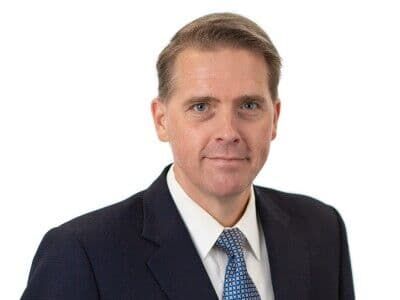
WASHINGTON (AP) — New Federal Reserve Chair Kevin Warsh said Wednesday that the central bank would remain independent and seek to bring down inflation, likely foreclosing the rate cuts President Donald Trump has sought.
In remarks at a central bank conference in Sintra, Portugal, Warsh said that if businesses or households thought the Fed would accept inflation above 2%, “I guess they'd be disappointed. We're going to deliver price stability.”
The Fed typically combats inflation by raising borrowing costs. When asked about Trump's oft-repeated desire for lower rates, Warsh underscored the Fed's independence from day-to-day politics.
“We’ve been an independent central bank for a very long time," he said. "We’re going to be an independent central bank at this moment and you’re going to see no changes to that.”
Such comments suggest that Warsh has shifted his views since replacing Jerome Powell as chair May 22. He called for lower rates last year as he essentially campaigned for the job. Since becoming chair, however, Warsh has appeared to move away from that stance and instead has signaled a focus on getting inflation down.
But on Wednesday he declined to signal what steps the Fed would take to achieve that goal, consistent with his opposition to so-called “forward guidance,” in which central bank leaders foreshadow their next policy moves.
“I'm not going to make a judgment now," he said during the panel discussion with other central bankers. "The tactics, the strategy, and the rest, that's still to come,” he later added.
At his first news conference last month, Warsh also emphasized his goal of getting inflation back down to target. Wall Street investors expect the Fed could hike its key interest rate as soon as in September, from its current level of about 3.6% to roughly 3.9%.
When the Fed last met June 16-17, nearly half of the 19 policymakers signaled that they supported higher rates this year, while eight supported no change and one penciled in a cut. Warsh did not submit a forecast because of his opposition to providing guidance.
The economy has shifted since Trump first nominated Warsh in January, with inflation rising to a three-year high of 4.2% in May, pushed higher by the Iran war's impact on gas prices. Yet as a peace agreement has been reached, gas prices have declined, suggesting inflation may have peaked. Fed officials may very well wait to see where inflation settles if oil and gas prices continue to fall back to prewar levels.
On Wednesday, Warsh also said there are signs that the threat of persistent inflation has moderated. He specifically cited the inflation expectations, or where the public and financial markets think inflation has headed next, as measured by surveys and bond prices. Both have declined in the past month.